If you’re new to vegetable gardening and ease is a priority, this post is for you. But I want to give you more than just a list of commonly grown relatively low-effort vegetables. Because successful vegetable gardening is more than getting plants to grow. It’s a seasons-long process of planning, seed starting or planting, maintaining, harvesting, cooking, storing and preserving.
Some level of time and effort is inevitable. But if your garden is going to feel relatively easy for you, the work you put in from the beginning to the end of the growing season needs to feel worth it.
Sometimes an “easy to grow” plant is not right for you. Maybe you don’t like to eat it, or it’s time consuming to harvest and difficult to store, or maybe growing it involves tasks that are technically easy, like shelling peas, but that you find to be too tedious or unpleasant to bother with. Other times you may want to grow a more challenging plant, like tomatoes, because the extra effort is made up for by the reward of the end result.
Finding the plants that will feel worth the effort to you is a subjective process of trial and error that will likely take you many growing seasons. But this guide will help you get started by providing you with a few principles for keeping your garden simple and a list of vegetables, fruits and herbs you might want to consider growing.
Choosing what to Grow for an Easy Vegetable Garden
If ease is a top priority for your vegetable garden this year, consider these general principles when deciding what to grow:
If you’re a Beginner, Start Small.
.jpg)
No matter how excited you are to grow food or how ambitious your eventual plans are for your vegetable garden, start small. Start with only a few plants. One or two small in-ground or raised beds or a few pots on your patio are plenty. If you try to grow everything you’ve ever wanted to grow or eat in your first season, you will most likely get overwhelmed, give up and feel like the whole thing was a failure.
At the same time, if you bite off more than you can chew, don’t beat yourself up. No matter how large or small your garden is, or even how many years you’ve been gardening, each season some of what you grow will fail for one reason or another.
Grow what you know you will eat and plan to eat most of it fresh.
Even if you successfully grow every vegetable you set out to, your garden will still feel like a failure if you don’t end up eating them. Choose fruits and vegetables you already eat a lot of and grow them in quantities you know you will be able to prepare and eat fresh during the growing season.
I say this because sourcing vegetables from a backyard garden is not the same as picking them up from the supermarket. It sounds obvious, but adjusting to the rhythms of the garden can be an unexpected challenge when you’re used to buying whatever you want from the store whenever you want to eat it.
With a garden, meal planning begins with what is ready to be harvested. It’s seasonally dependent, and sometimes you’ll have a lot of one thing and not enough of another. You’ll need to adjust how you plan meals and maybe even the sorts of meals you cook otherwise much of what you grow may go to waste.
If learning to preserve food is important to you, start by planning one or two preservation projects for the season - like water-bath canning tomato sauce or fermenting sauerkraut - and gather the recipes and equipment you need well in advance of the harvest season.
.jpg)
Grow High Yield Vegetables
A plant may be easy to grow, but if it barely produces anything, you’ll feel like you should have just picked it up at the store. Prioritize growing things that produce a significant portion of your year’s supply - at least for the duration of the growing season. Tomatoes, hot peppers, summer squash, cut and come again greens and pole beans will all produce enough food for frequent meals throughout the growing season with just a few plants.
On the other hand, some lower-yield vegetables only produce enough food to feel worth the effort if you have the space to grow a lot of them. Low yield plants include bell peppers, winter squash and many staple crops, like corn, wheat, broad beans or chickpeas.
Stick to a Warm Season Garden Grown Mostly from Transplants
One of the more challenging and potentially frustrating elements of growing a lot of food is figuring out the timing of starting, transplanting and succession sowing various crops - particularly those that grow in the early spring and fall cool seasons. If you want your garden to be easy, skip the seed starting and limit your vegetable garden to the warm season.
In a warm season garden, everything is either direct sown (for instance, bush beans, cucumbers and squash) or planted from transplants (for instance, tomatoes and peppers) on or soon after your last frost date and harvested at the end of the season near the first frost date. Warm season gardening avoids the challenges of timing crops, succession sowing, and seed starting, and you don’t need to invest in or set up seed starting or season extension equipment.
If you are interested in growing from seed, read my guide to indoor seed starting.
.jpg)
Ignore this Advice to Grow Something You’re Excited About
Making your vegetable garden feel worth the effort isn’t just about making it as easy as possible, it’s also about making it a positive and rewarding experience. One way to do that is to grow one or two things you’re really excited about or that you wouldn’t otherwise have easy access to at a grocery store. Even if that means growing something more challenging, low yield or starting something from seed.
Try growing a purple or bicolor tomato variety, a specialty super hot pepper or something you never or rarely see at your grocery store like tomatillos or eggplant. If you love fermented foods, plant a large crop of cool season cabbage for kimchi or sauerkraut. Even if most of your garden is filled with easy-to-grow basics, make sure you are growing something that will keep you interested enough to get out there and do the work.
Find more of my best general tips for vegetable gardening here.
The Easiest Vegetables to Grow for Beginners
The following list of fruits, vegetables and herbs are, in my opinion and experience, the best relatively low-effort vegetables for beginners to grow. They are relatively low-effort from the beginning to the end of the gardening process. They can be either direct sown or easily found as transplants. They require minimal time and attention during the growing and harvesting processes and are relatively easy to cook or preserve.
The first half of the list are things that are easy to grow directly in your garden from seed, while the second half are vegetables that are easy to grow - as long as you purchase them as transplants.
.jpg)
Easiest Vegetables to Grow from Seed
- Lettuce
- Sturdy Leafy Greens (Kale, Collards, Chard & Bok Choy)
- Zucchini or Summer Squash
- Bush or Pole Beans
- Winter Squash
Lettuce
It’s not the most exciting vegetable but it’s one of the easiest to grow. It reaches maturity quickly, can easily be direct sown in spring or even started indoors in a south facing window.
For the easiest lettuce, choose cut and come again varieties that you plant once and continually harvest from throughout the season rather than head lettuce like romaine or buttercrunch that are harvested all at once and need to be succession sown to maintain a continual supply throughout the season.
Make sure you have enough cool weather for your lettuce to reach maturity or plant your lettuce in a semi-shaded spot behind or underneath larger vegetables to keep it going as the weather warms up.
A few of my favorite lettuce varieties:
.jpg)
Sturdy Leafy Greens
Plants like kale, collards, chard and bok choy are considered sturdy greens. Unlike soft tender greens like lettuce, sturdy greens retain much of their texture and bulk when cooked, so they make great additions to anything with a longer cooking time like soups or curries or they can be quickly steamed, sautéed or stir fried with seasonings and aromatics to add some flavor to what are otherwise bland vegetables.
Most sturdy greens are technically cool season crops, but I’ve found kale, collards and chard will stand up to the heat of summer just fine. If you grow them as cut and come again plants, harvesting a few leaves from the bottom of multiple plants at once, you can produce a significant portion of your greens for the season with only a few plants.
The most common challenge with sturdy greens is their susceptibility to pests like cabbage worms or leaf miners. The easiest way to avoid pest damage on sturdy greens is to cover them with a light row cover or insect netting.
Some of my favorite sturdy green varieties:
Zucchini or Summer Squash
Summer squash is notoriously productive, so don’t plant too many. 1-2 plants per person should be plenty. Once they start producing, check the plants often and harvest fruits immediately when they are relatively small. Zucchini plants produce quickly and once they get very large they lose a lot of flavor and texture.
.jpg)
Avoid ridged or oddly shaped varieties if you want the easiest zucchini to cook with.
The real challenge with zucchini is figuring out what to do with it once you’ve grown it. Gather recipes in advance of harvest season so you’re ready to go when the plants start producing. Smitten Kitchen’s zucchini butter spaghetti, and this Chinese-style steamed zucchini with soy sauce are some of my go to zucchini recipes.
My favorite zucchini variety:
Bush or Pole Beans
Bush beans are probably the easiest bean to grow. Because they mature so quickly, you can direct sow anytime after the weather warms up and use them to fill in gaps in your garden as you harvest other things. Pole beans grow just as easily, with the added bonus of using vertical space, but you will need to take the time to set up a trellis for them and occasionally help them climb it.
If you want to eat your beans fresh, they need to be harvested frequently throughout the growing season to avoid unpleasant thick stringy shells. If you want to grow them for dried beans they will require less attention throughout the growing season, but will need to be harvested, shelled and stored at the end of the season.
When growing dried beans you can find a lot of beautiful colorful or patterned heirloom varieties you won’t find at your grocery store. A few I’ve grown recently:
Winter Squash
.jpg)
Winter squash can be direct sown outdoors and left to sprawl along the ground without the risk of damage from pests or disease. They’re easy to cure and store and will keep for months even without setting up a proper storage space.
For the easiest winter squash:
- Choose smaller varieties. They’re easier to manage, especially if you plan to save space by growing them vertically. Of course this will mean setting up a trellis for them and helping them climb it.
- Choose thin-skinned varieties like Butternuts. These are easier to cook with than some other types, like acorn, because butternut skin remains soft and easy to cut into for the duration of winter storage, while the rind of many other winter squash varieties increasingly hardens over time to become very difficult to cut into.
- Make sure that the varieties you choose have enough time to reach maturity in your growing zone. If you live in a cold climate look for varieties with fewer days to maturity to be on the safe side.
Note that winter squash are not high yield plants. You can usually expect 3-5 fruit per plant depending on the size of the variety. I find them to be worth growing anyway, if you have some space, as they are so easy to cure and store for eating over the winter months.
Some of my favorite winter squash varieties:
Easy Vegetables to Grow - If you Start with Transplants or Tubers
Some vegetables and herbs are challenging to start from seed, but if you are able to purchase them as transplants, much of the work is already done, making them easy grow choices for beginners.
.jpg)
- Cherry and Small Determinate Tomatoes
- Woody Herbs
- Small Sweet, Hot or Super Hot Peppers
- Potatoes
Cherry or Small Determinate Tomatoes
If I were simply making a list of the absolute easiest things for beginner vegetable gardeners to grow, tomatoes would not be on it. Tomatoes are not easy or low maintenance plants. A lot of knowledge and skill is involved in growing large quantities of healthy tomatoes - caring for seedlings, planting techniques, choosing and creating support systems, pruning and training, disease and pest management etc.
However, tomatoes are the most popular crop for home gardeners and growing fresh heirloom tomatoes is one of the best ways to experience varieties and flavors you can’t otherwise find at a grocery store. Tomatoes are worth the trouble even for new gardeners because they’re easy to get excited about.
For everything you need to know to get started growing tomatoes, check out my guide to tomatoes for beginners.
This doesn’t mean you can’t make growing tomatoes easier. Choose determinate varieties, and/or varieties with smaller fruits like small slicers, roma, and grape or cherry tomatoes. These can be grown either in the ground or in relatively small containers without the support and maintenance often required of large indeterminate plants and heavy beefsteaks.
Big box stores tend to carry only a small selection of seedlings of common hybrid tomato varieties, but you can often find a wider range of unique heirloom seedling varieties at farmer’s markets and local farms.
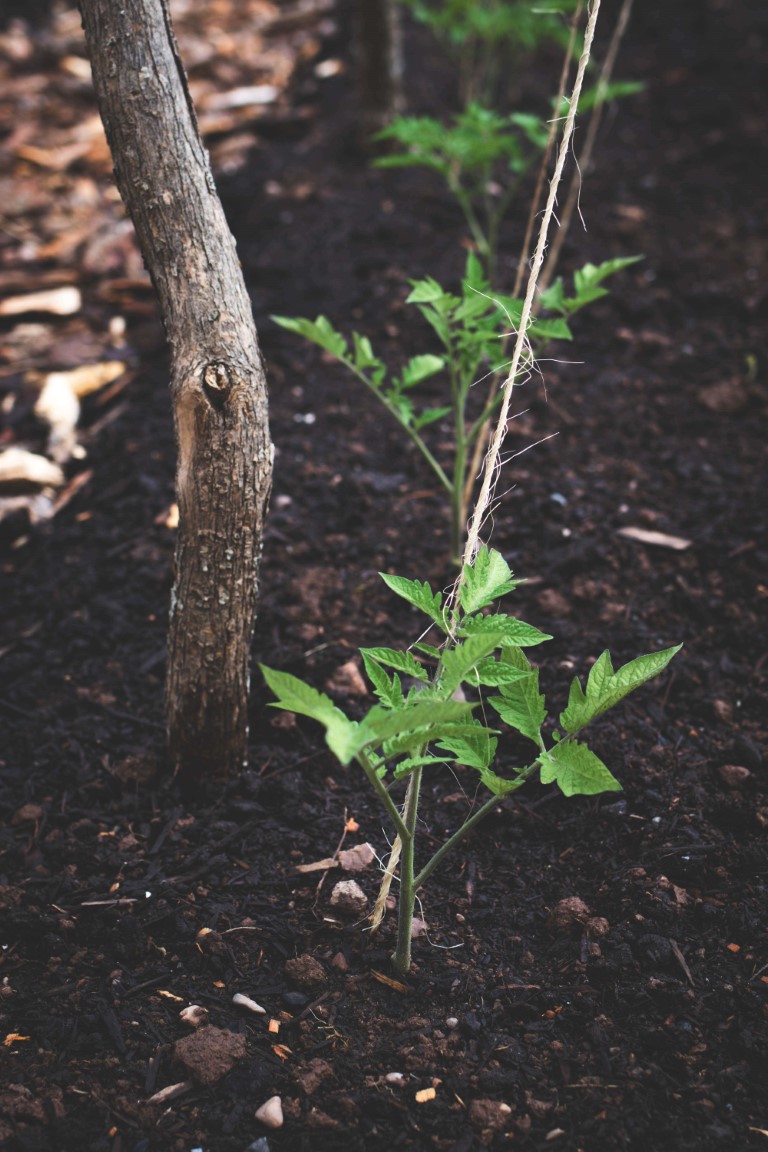
I’ve got a whole post dedicated to the process of choosing the right tomato varieties for you.
Woody Herbs
Woody herbs like thyme, sage, oregano, lavender and rosemary take a very long time to grow from seed. If you plant them from transplants you can avoid weeks of caring for tiny seedlings indoors.
Herbs are a great choice for a new gardener who wants their garden to feel worth the effort because:
- They’re high yield plants. Growing just a few of each variety can easily produce what you need for the growing season, or even allow you to cook with more fresh herbs than you would otherwise buy (or could otherwise afford; they’re expensive).
- There are a number of relatively easy methods of preserving herbs - like freezing or drying - that could allow you to grow a whole year’s worth of herbs.
- Most woody herbs are perennials that will come back every year and can even be grown as ornamentals in the landscape garden. However, some woody herbs, like rosemary or Spanish lavender, are not winter hardy in cooler zones and will need to overwinter inside.
Always grow mint in a container. If you plant it in the ground it can take over your space.
Small Sweet, Hot or Super Hot peppers
As long as you grow them from transplants, small peppers are some of the easiest plants to grow for beginners, needing minimal support and maintenance over the growing season. Especially in the case of hot peppers, you can grow an entire year’s worth with just a few plants. Like tomatoes, growing peppers can be a fun way to try something you aren’t likely to find at your grocery store, particularly if you love spicy food.
.jpg)
When I say “small peppers” I’m referring to:
- Smaller mild peppers like shishito or snack-sized sweet peppers.
- Peppers with a bit of heat like jalapeño or serrano.
- Hot peppers like habanero or scotch bonnet
- Super hot peppers like ghost or Carolina reaper
Small peppers are also very easy to preserve by freezing. They don’t tend to lose their color and texture after freezing like some vegetables do. I cook with my frozen hot peppers the same way I would if they were fresh without noticing a difference.
I don’t recommend larger peppers, like bell peppers or Italian roasting peppers, for beginners. In my experience in a zone 5b garden a single plant only produces 2-3 bell peppers that may not even reach full size by the end of the season. You’ll need a lot of space and a lot of plants to get a decent harvest. Of course, this might not apply to those in warm growing seasons where pepper plants have longer to mature and may even overwinter.
Potatoes
You’ll need to source some seed potatoes to grow them, but potatoes are one of the easiest “staple crops” for beginners to grow if your goal is to get enough food to replace a good portion of your year’s worth of potatoes. They’re relatively high-yield, low maintenance during the growing season and they store well.
Once they are in the ground you can more or less “plant them and forget them” until harvest time. Technically, you should chit your potatoes before planting and hill them up part way through the season, but you can still get a good potato harvest even if you don’t bother with these tasks.
I’ve also found home-grown potatoes to have superior taste and texture to the potatoes often available at the grocery store.
.svg)


.avif)
