What are Marigolds and Why Should you Grow Them?
Marigolds are one of the most popular ornamental annual bedding plants. Native to Mexico and Central America, they are low maintenance plants with long-blooming flowers in warm, bright shades of red, orange and yellow that love full sun and fertile, well-draining soil.
Marigolds are commonly grown as:
- Inexpensive and low-maintenance annual flowers that bloom consistently right through to killing frosts.
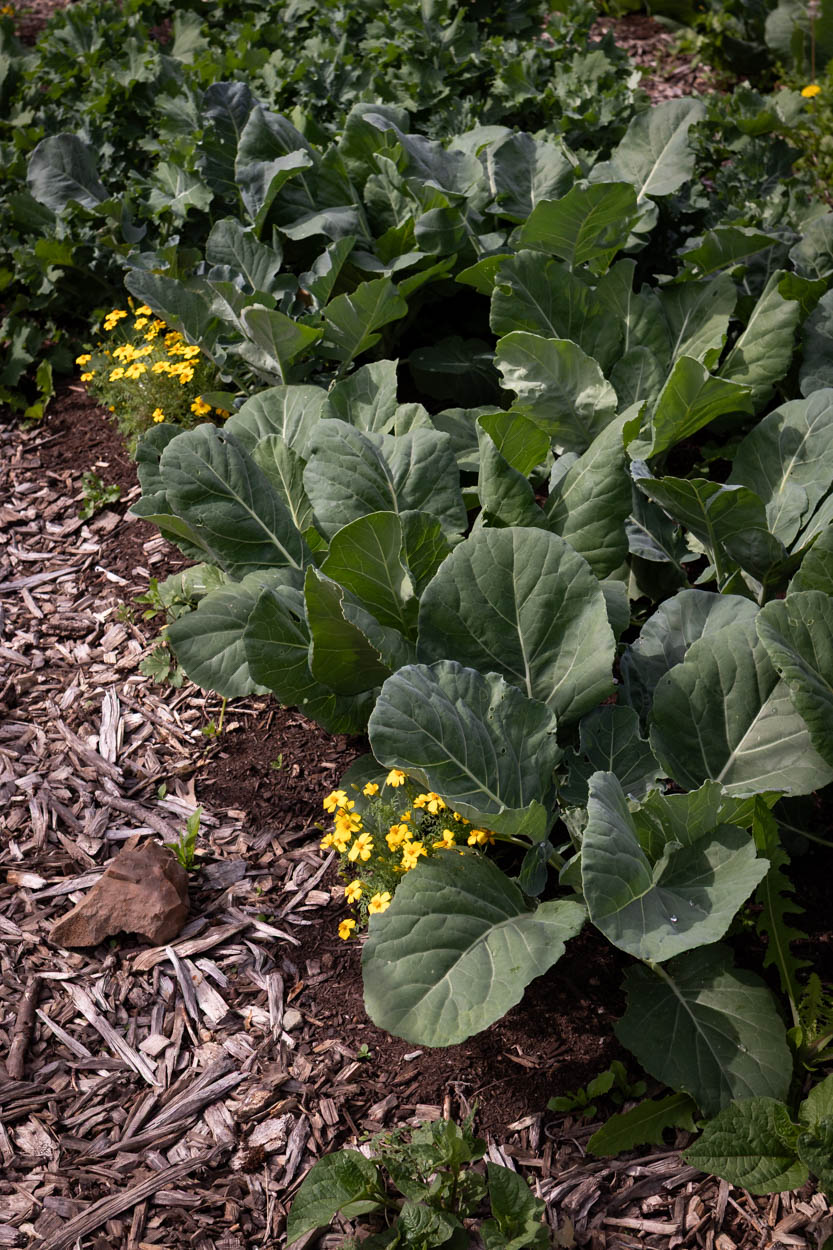
- Companion plants for the vegetable or herb garden. Many people use marigolds to attract beneficial insects to their flowering vegetables. Marigolds may also function as pest control - repelling both destructive insects and small animals like rabbits with their strong scent.
There are three main types or species of marigolds:
French (tagetes patula)
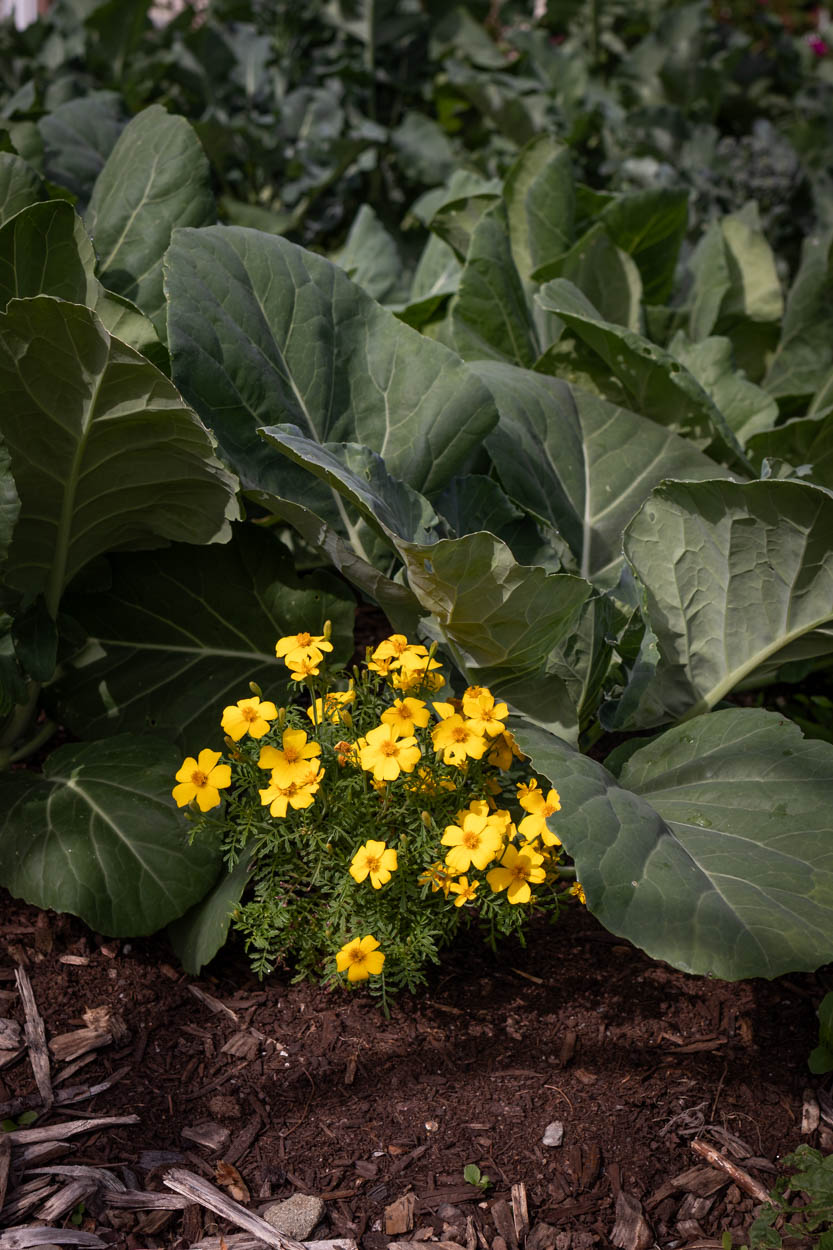
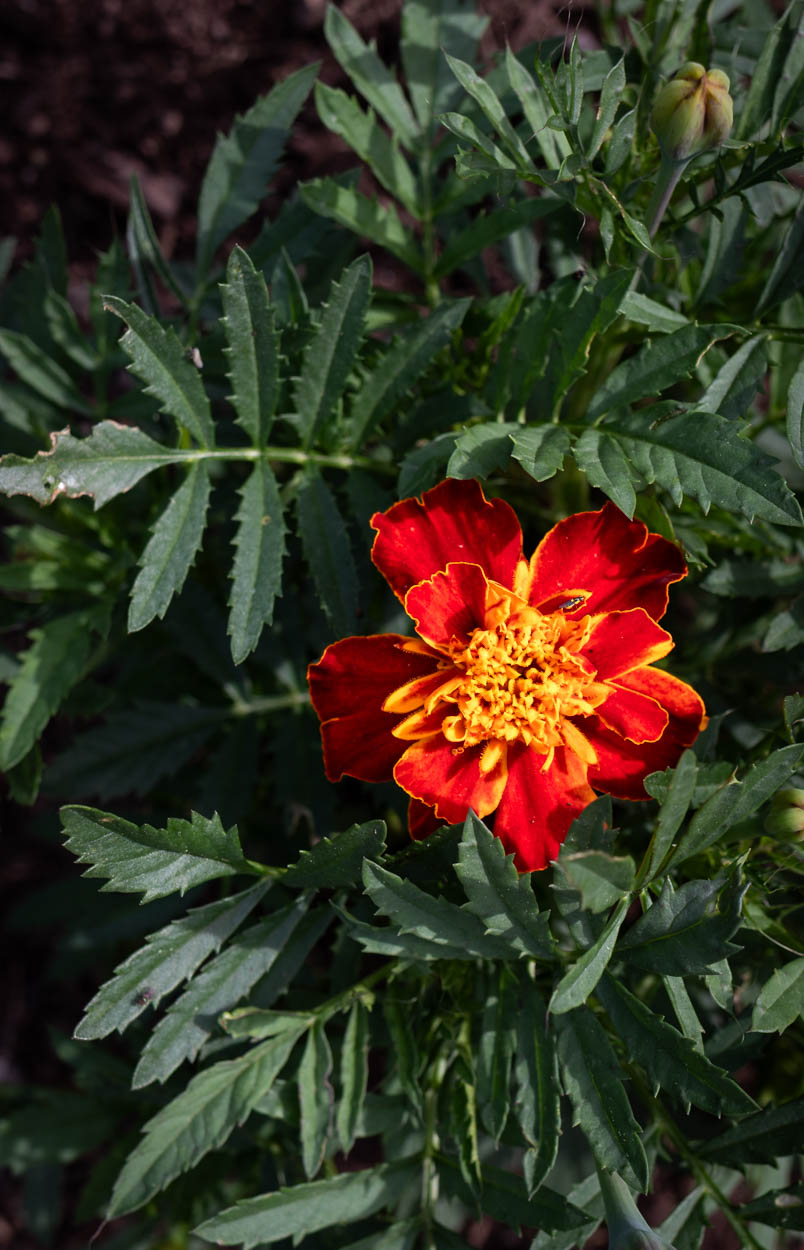
French marigolds have broad, fern-like foliage with a faint polka dot pattern and medium-sized frilly round flowers. They can grow up to 24” tall. They handle moist conditions better than other marigolds.
French marigolds are said to be the best type for vegetable gardens, as they have the strongest scent and therefore the most potential for deterring pests.
Signet (tagetes tenuifolia)
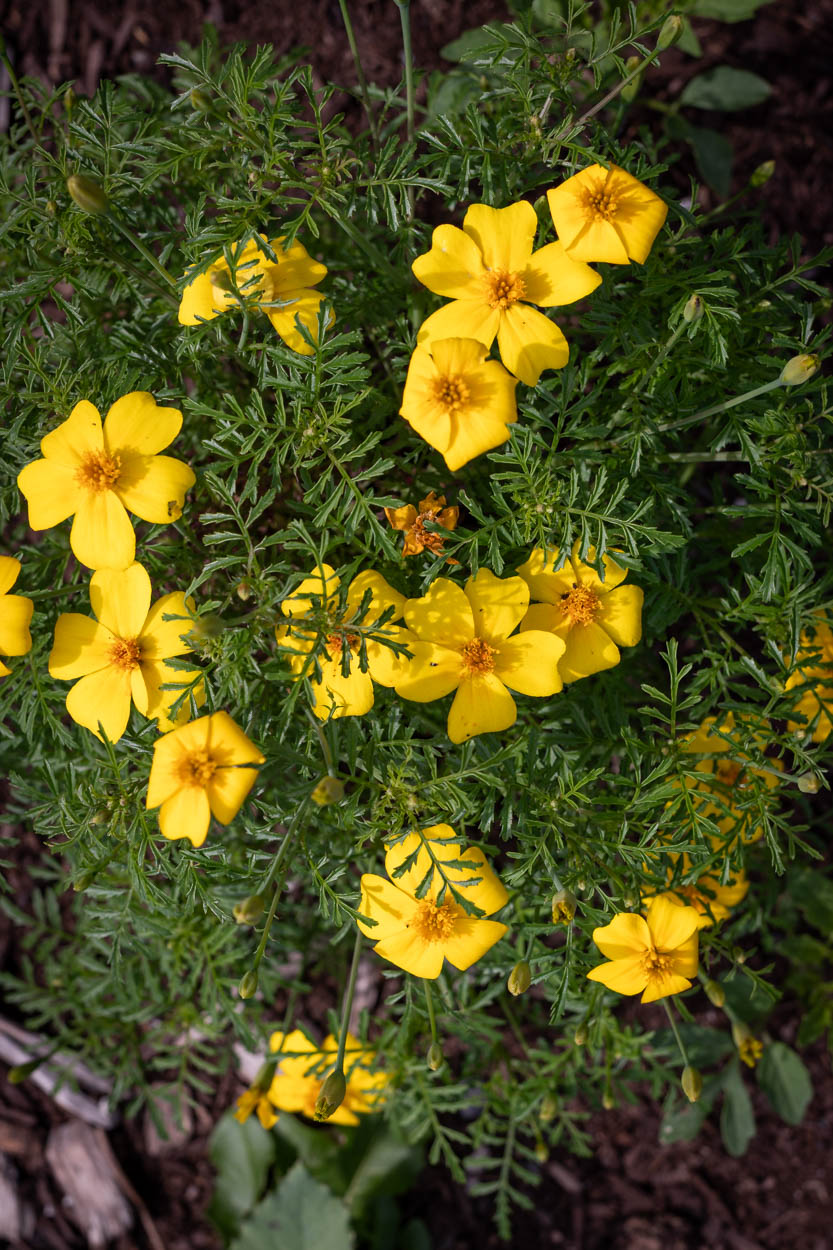
Signet marigolds have a more delicate, lacy, foliage shape and smaller, single flowers that appear similar to coreopsis flowers. They handle dry conditions better than French varieties and are the smallest marigolds at about 12” tall.
African (tagetes erecta)
At about 3 feet tall, African marigolds are much larger than the other species and have larger blooms. They are better suited to the ornamental garden, placed towards the middle or back of a border, than in the vegetable garden. They can handle dry conditions.
Are Marigolds Annuals or Perennials?
The short answer to this question is that marigolds are annuals. They bloom through the spring, summer and early fall of a single growing season and then die over winter. They will not return the following spring.
However, there’s a longer answer that’s somewhat more complicated. People often want to know if a plant is an annual or a perennial because they hope to plant something once and have it return each season rather than have to buy new plants each year.
In the case of marigolds, while it is true that each individual marigold plant lives for a single growing season, marigolds are very good self-sowers. This means that, if you let your marigolds go to seed, each plant will produce hundreds of seeds that blow away and land on the soil near the original plant. In the spring, many of these seeds will germinate on their own, providing you with free marigold plants in the general area you planted the original plants.
Foxgloves are another excellent self-sower you can start from seed for flowers that come back every year.
Despite the fact that marigolds are annuals, as long as you don’t mind your marigold seeds deciding for themselves where they want to germinate, you can plant marigolds once and have new plants return each year. They just won’t be the exact same plants in the exact same positions.
If you are particular about where your marigolds end up, for instance if you’re using them to line the beds of a vegetable garden, you can always dig up and relocate the self-sown plants in early spring to the exact spot you want them to grow.
Marigolds as Companion Plants
Marigolds may not be the most beautiful flowers. Their bright shades of red, yellow and orange don’t suit the preferred color schemes of many contemporary gardeners. Rather than growing them for their beauty alone, they’re often grown for their practical use as companion plants for vegetables and herbs.
Companion planting is an approach to gardening that focuses on positioning plants close to others in such a way that their respective characteristics will complement and not compete with each other, resulting in a healthier, more productive, garden.
Grown as companion plants in the vegetable garden marigolds are believed to:
- Help with pest management. With their strong scent they repel destructive insects like flea beetles, cabbageworms and squash bugs as well as larger critters, like rabbits, that might otherwise munch on your vegetables.
- Attract predator insects, or beneficial bugs, to your garden which will eat or otherwise eliminate some of the more destructive bugs like aphids.
- Their bright colors attract pollinating insects to nearby fruiting plants like tomatoes, peppers and cucumbers.
- Some varieties of marigolds can be grown as a cover crop to fight root nematode damage by releasing a chemical into the soil (alpha-terthienyl) that stops the nematode eggs from hatching.
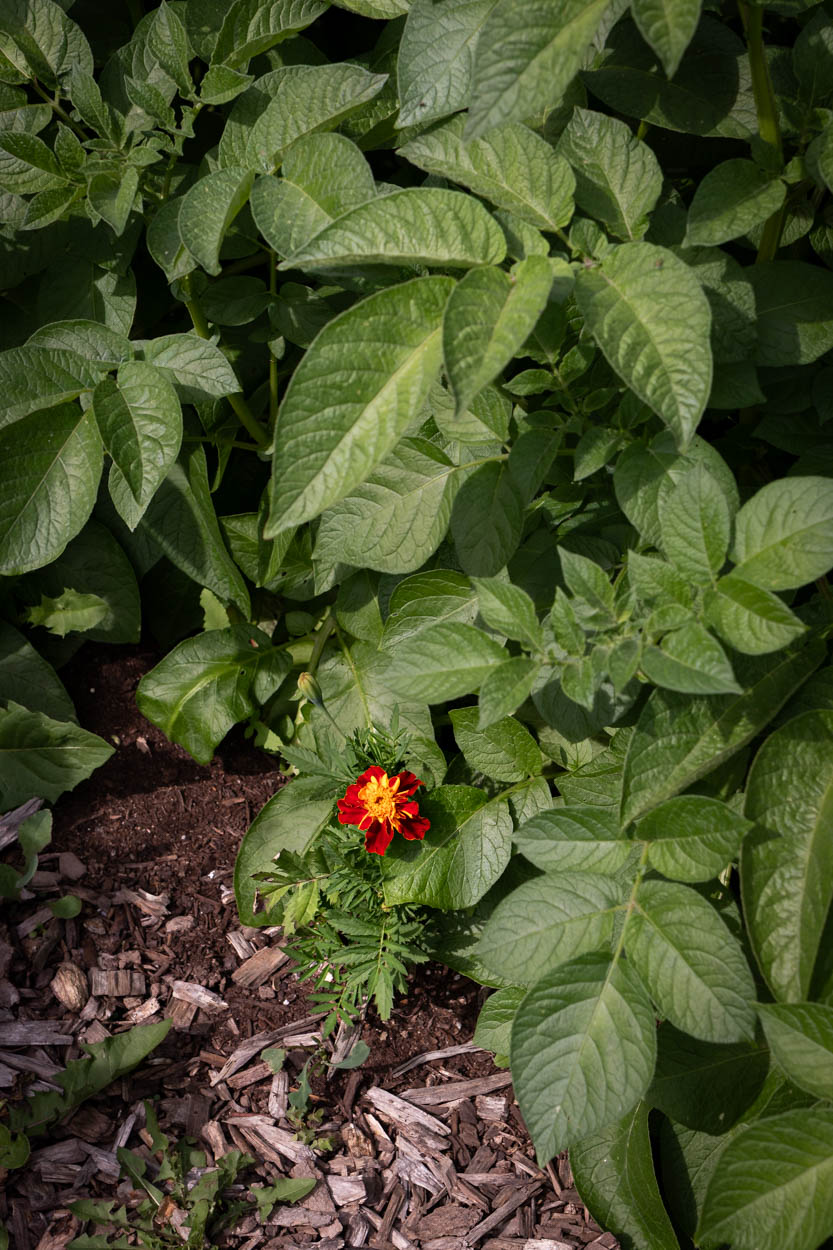
Companion planting is a popular gardening concept and certainly worth a try if it interests you, but I think it’s important to note that much of the wisdom of companion planting is based on anecdotal, rather than scientific, evidence.
If your goal is to grow marigolds from seed for the purpose of planting them in your vegetable garden, choose smaller, shorter, bedding varieties that won’t get in the way of your vegetables by taking up too much space or blocking the airflow underneath your plants. Most sources say that French marigold varieties are the best for deterring pests in your vegetable garden.
Are Marigolds Edible?
Many sources say that some of the tagetes marigold species are edible. However, some reliable sources say they are not, or that they have an unpleasant, bitter taste and may cause digestive upset.
In addition, when people reference “edible marigolds,” they are often actually talking about calendulas (calendula officinalis), which are sometimes referred to by the common name “pot marigolds.” Calendulas are edible. However, despite their name, they are a different plant altogether from the tagetes marigolds.
Calendulas can be used fresh in salads, soups, infusions, desserts and baked goods; as a colorful garnish or dried and steeped as an herbal tea. They have also historically been used as medicinal and dye plants.
If you really want to grow an edible flower in your vegetable garden, calendulas may be a better and safer choice than marigolds. Or, trying growing nasturtiums or making culinary use of your squash blossoms.
Why Grow Marigolds from Seed?
Marigolds are one of the most common annuals you will find for sale at nurseries and big box stores. So why bother growing them from seed?
- Growing marigolds from seed gives you access to some of the more interesting and unusual or newer varieties that you’re unlikely to find sold as transplants at your local nursery or big box store.
- For instance, most varieties you will find in garden centers are bright yellow, orange or red. These colors are striking against the greens of your vegetable foliage. However, if this is not your color palette, you can go for one of the newer white or cream varieties, which are most commonly available as seeds.
- You can grow a lot more plants from seed for the same cost. Growing from seed might be a cost savings for you if you want a lot of plants, say to use extensively as companion plants in a large vegetable garden.
- It’s best to start your marigolds from seed if you plan to use them for edible purposes. Marigolds purchased at garden centers may have been sprayed with pesticides.
Dahlias are more exciting flowers than marigolds. They’re commonly purchased as tubers, but did you know they can also be grown from seed? This guide shows you how to do it!
Marigold Varieties to Try
The range of marigold seed varieties is somewhat limited relative to many other commonly grown flowers, however, there are still some beautiful and interesting seed varieties of marigolds available that you aren’t likely to find at your local garden center - and new varieties come out each year.
A few unusual marigold varieties to try:
- Strawberry Blonde - a French marigold variety with toned-down colors of muted pink, peach and yellow.
- Alumia Creme Brulee - a bicolor French marigold with a yellow background and orange-red markings.
- Court Jester - a striking signet variety with small flowers featuring yellow and red stripes reminiscent of a circus tent.
- Red Gem - a signet variety with bright red blooms.
If you’re looking for something more neutral, some newer marigold varieties have white, or nearly white, blooms. However, most of these varieties are African marigolds, which may be too tall to be easily used in the garden as companion plants. Check the height on the seed packet to be sure they will suit the purpose you have in mind.
- White Swan or Kilimanjaro White - African marigold varieties with large and fluffy cream or buttery-yellow blooms.
- Moonlight or Sugar and spice - these buttery-yellow marigolds are slightly more compact than other African marigold varieties.
- Alumina Vanilla Cream - a French marigold variety that isn’t exactly cream-colored, but has a significantly more muted yellow than most marigolds.
Or, maybe you’re just looking to grow some classic marigolds from seed.
- Queen sophia, Harmony, Cresta Spry - A few classic French varieties with the multi-color orange, red and yellow colorings similar to those commonly found at garden centers as transplants.
- Lemon Gem - a classic signet variety with small lemon yellow blooms.
Timing: When to Start your Marigold Seeds Indoors
Most marigold seed packets say to start your marigold seeds indoors 6-8 weeks before your last frost. However, depending on your climate, you may want to wait longer than that. If you have short springs that quickly heat up, as is common in mid-western or prairie regions, 6-8 weeks before your last frost date should work for you.
However, marigolds are warm-weather loving plants. They should be planted, not just after all danger of frost has passed, but once temperatures warm up to at least 15C (59F). If you have long cool springs, as is common in coastal or northern regions, there may be weeks between your last frost date and weather that’s reliably warm enough to suit marigolds.
Deciding when to start your seeds is an important but sometimes overwhelming task of garden planning, remove some of the guesswork with my guide to timing your seed starts.
In this case you’ll want to start your marigold seeds indoors 6-8 weeks before your nighttime temperatures are 15C (59F) or at least 10C (50F) if you want to push it. This should be around the time it’s safe to plant out your tomatoes, peppers or squash.
Can you Direct Sow Marigolds?
You can also direct sow marigolds outside. However, I would only recommend this method for marigold seeds if you have early warm springs and/or a long growing season with plenty of time to wait for blooms.
This is because marigold seeds need very warm soil temperatures of at least 18C - 24C (64-75F) to germinate. Once germinated, they will need an additional 6-8 weeks before they are ready to bloom. If your season isn’t long enough, or your soil doesn’t warm up early enough, you may only get a few weeks of marigold blooms if you direct sow.
How to Grow Marigolds from Seed
- If starting indoors, begin about 6-8 weeks before you plan to transplant.
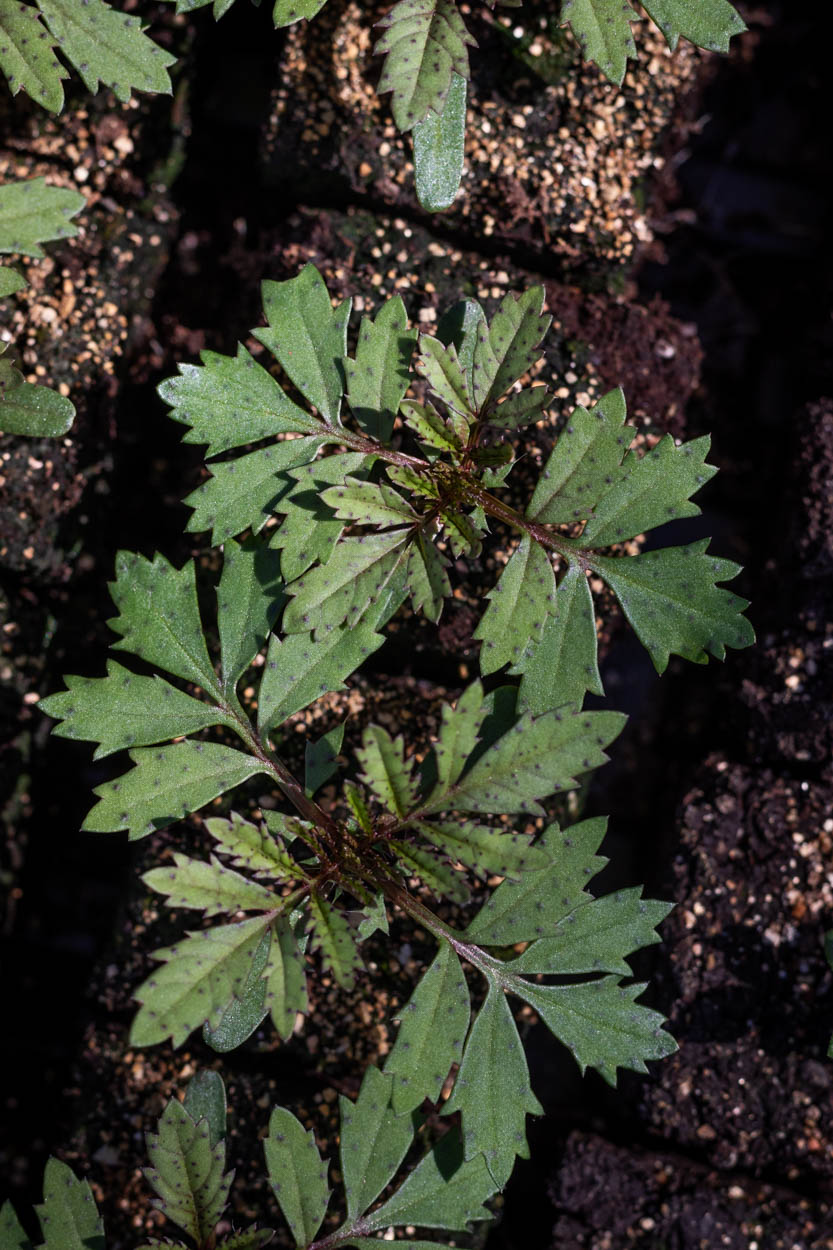
- Fill seed trays with pre-moistened seed starting mix or other soilless potting mix. Tap the bottom of the tray on a flat surface and top up with more seed starting mix.
- Place 1-2 marigold seeds into each cell. Press them into the soil and cover with either a very thin sprinkle of soil or a fine layer of vermiculite. The seeds do not need to be completely covered. Use a spray bottle to moisten the tops of the seed trays by spritzing them lightly with water. Label your trays.
- Marigolds need warm soil to germinate. If possible, transfer the seed tray to a warm spot either on a heat mat or the top of your fridge or dryer until they germinate. This should take anywhere from 5-14 days.
- Once the seeds germinate, thin to 1 plant per cell and place the tray underneath grow lights. Position the lights 1-2 inches above the plants and keep the lights on for 12-16 hours a day. Add a fan for air circulation, if possible.
- For the next 6-8 weeks, keep the seedlings well-watered, allowing the tops of the cells to dry out between waterings, and apply a diluted balanced fertilizer 1-2 times per week once the seedlings have developed 2 sets of true leaves.
- For compact bushier plants, pinch out the growing tips when they are about 4” tall and have at least 2 sets of true leaves.
- 1-2 weeks before transplanting the seedlings, harden them off by gradually introducing them to outdoor conditions.
- When nighttime temperatures are at least 10C-15C (50-59F), transplant your marigold seedlings into the ground.
If you’d like more detailed information on how to get started with sowing seeds indoors, read my in-depth guide to seed starting.
Marigold Care Tips
Marigolds are low-maintenance plants. You should be able to plant them and largely forget about them.
On the other hand, if you want to go above and beyond caring for your marigolds, there are a few things you may want to keep in mind throughout the growing season:
- Watering - Unless you’re experiencing periods of drought, Marigolds shouldn’t need to be hand watered regularly. Rainwater and, if they are planted in a vegetable garden, the moisture from your vegetable beds should be sufficient.
- Fertilizing - Marigolds don’t need regular fertilizing over the growing season, but you may want to add some compost and a balanced granular fertilizer to the soil around your marigolds at planting time, especially if your soil is poor.
- Deadheading - Deadheading your marigolds is not necessary, but optional. Periodically deadheading your marigolds will encourage them to put out more blooms and will prevent the plants from going to seed.
- Cutting Back - I find marigolds tend to bloom on their own without deadheading for many weeks and then suddenly all the flowers die at once. If you want to keep them flowering and improve the look of your plants, you can always top or cut back the plants when they get to this point by cutting back ⅓-½ of the plant the way you would give some perennials a Chelsea chop. They should bounce back in a week or so and continue blooming until a killing frost.
- Powdery mildew - marigolds are susceptible to powdery mildew, especially if they don’t receive enough sun. To prevent disease, plant them in a full sun location, give them some space for airflow, and keep their leaves as dry as possible over the season by watering the ground, not the leaves of the plant.
.svg)


.avif)
.avif)
